

Straddling the River Thames at the heart of England, London is one of the world's great capitals — a city where coronations and crown jewels share the skyline with glass towers, and where two thousand years of history unfold around every corner. Few destinations reward curiosity quite so richly.
From the medieval Tower of London and the pageantry of Buckingham Palace to the soaring nave of Westminster Abbey, the treasures of the British Museum, and the bright lights of the West End, London layers the ancient and the modern with effortless style.
This London travel guide highlights the best things to do in London, top attractions, dining recommendations, luxury hotels, day trips, and practical travel tips to help you plan an unforgettable visit. Travelers can experience Britain's capital via a luxury cruise, city stay, or upscale escorted tour.
Best Things to Do in London
The Tower of London & Tower Bridge
Founded by William the Conqueror nearly a thousand years ago, the Tower of London is a UNESCO World Heritage Site that has served as a royal palace, fortress, prison, and treasury. Today its star attraction is the dazzling Crown Jewels, guarded by the ceremonial Yeoman Warders — the famous "Beefeaters" — who lead atmospheric tours steeped in legend and the Tower's resident ravens.
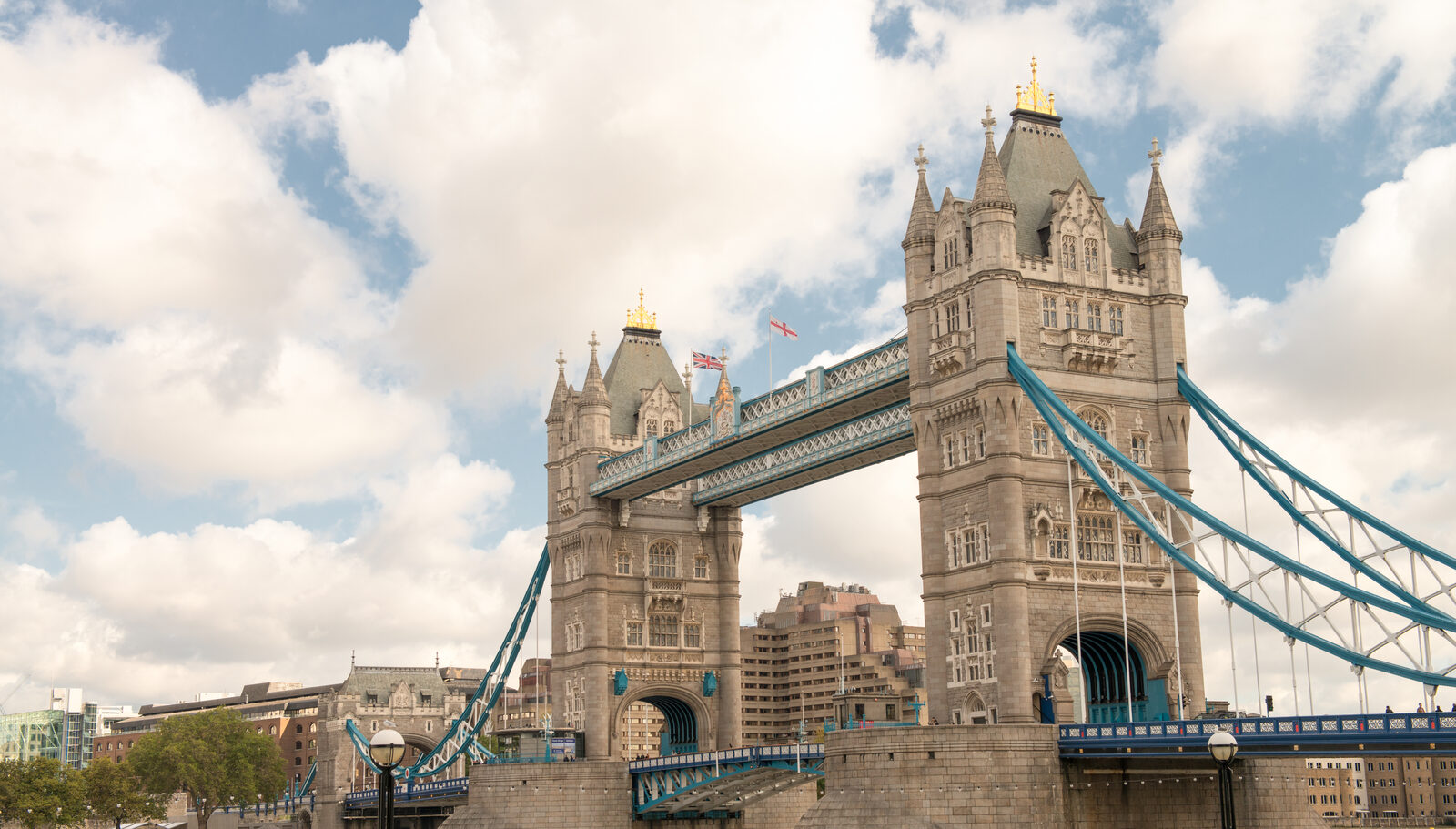
Just beside it spans Tower Bridge, the city's most photographed crossing. With its twin Gothic towers and powder-blue suspension cables, the Victorian bascule bridge still raises its central span for passing ships, and a high-level walkway with a glass floor offers a thrilling view straight down to the Thames below.
Buckingham Palace & the Changing of the Guard
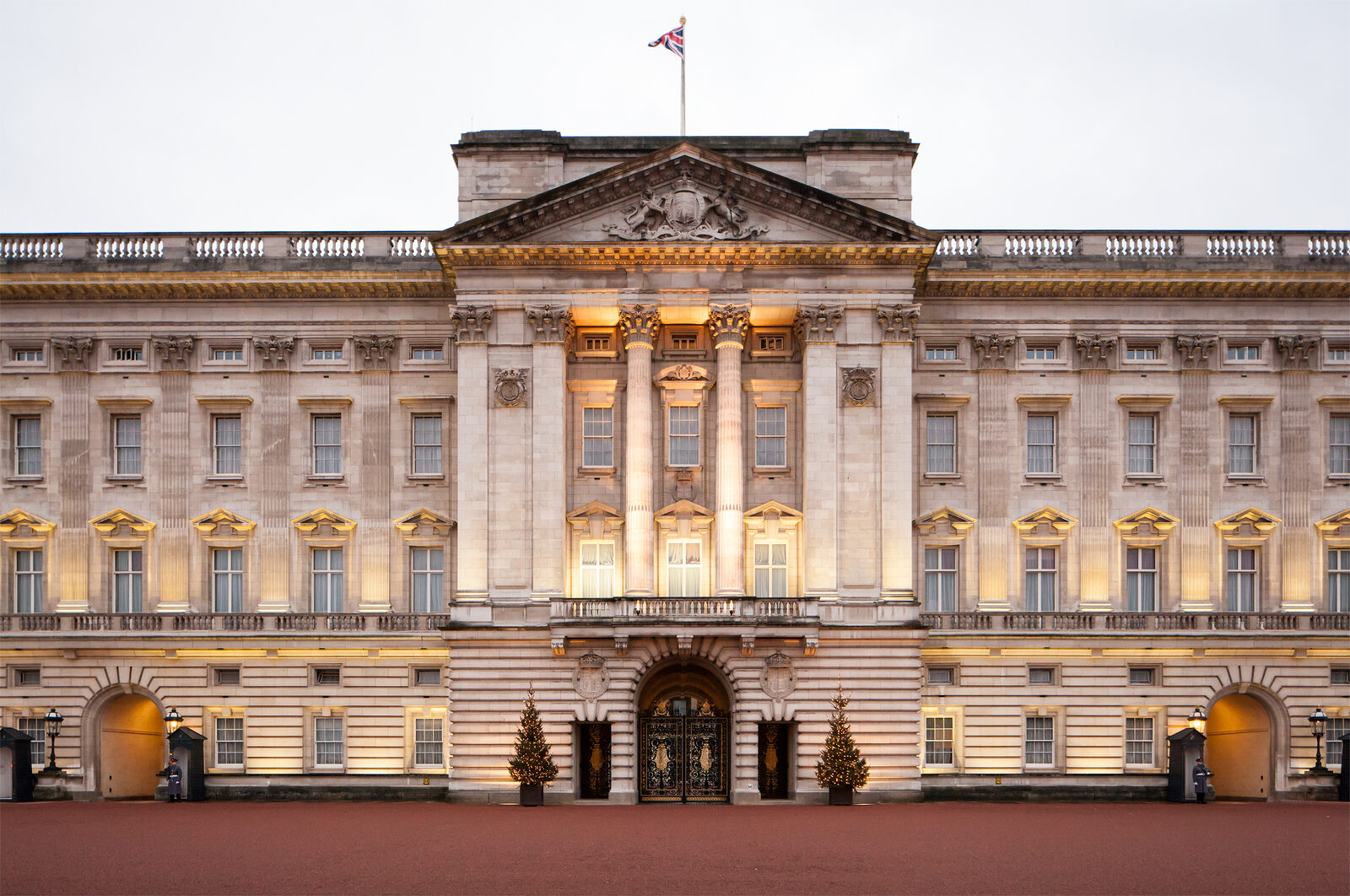
The London residence and administrative headquarters of the British monarch, Buckingham Palace is the very picture of royal grandeur. When the Royal Standard flies overhead, the sovereign is in residence; in summer, visitors can tour the opulent State Rooms, hung with works from the Royal Collection.
Outside the gates, the Changing of the Guard is one of London's most beloved traditions — a spectacle of scarlet tunics, towering bearskin hats, and a military band marching in precise formation. Arrive early to claim a spot along the railings or near the Victoria Memorial for the best view of the ceremony.
Westminster: Parliament, Big Ben & Westminster Abbey
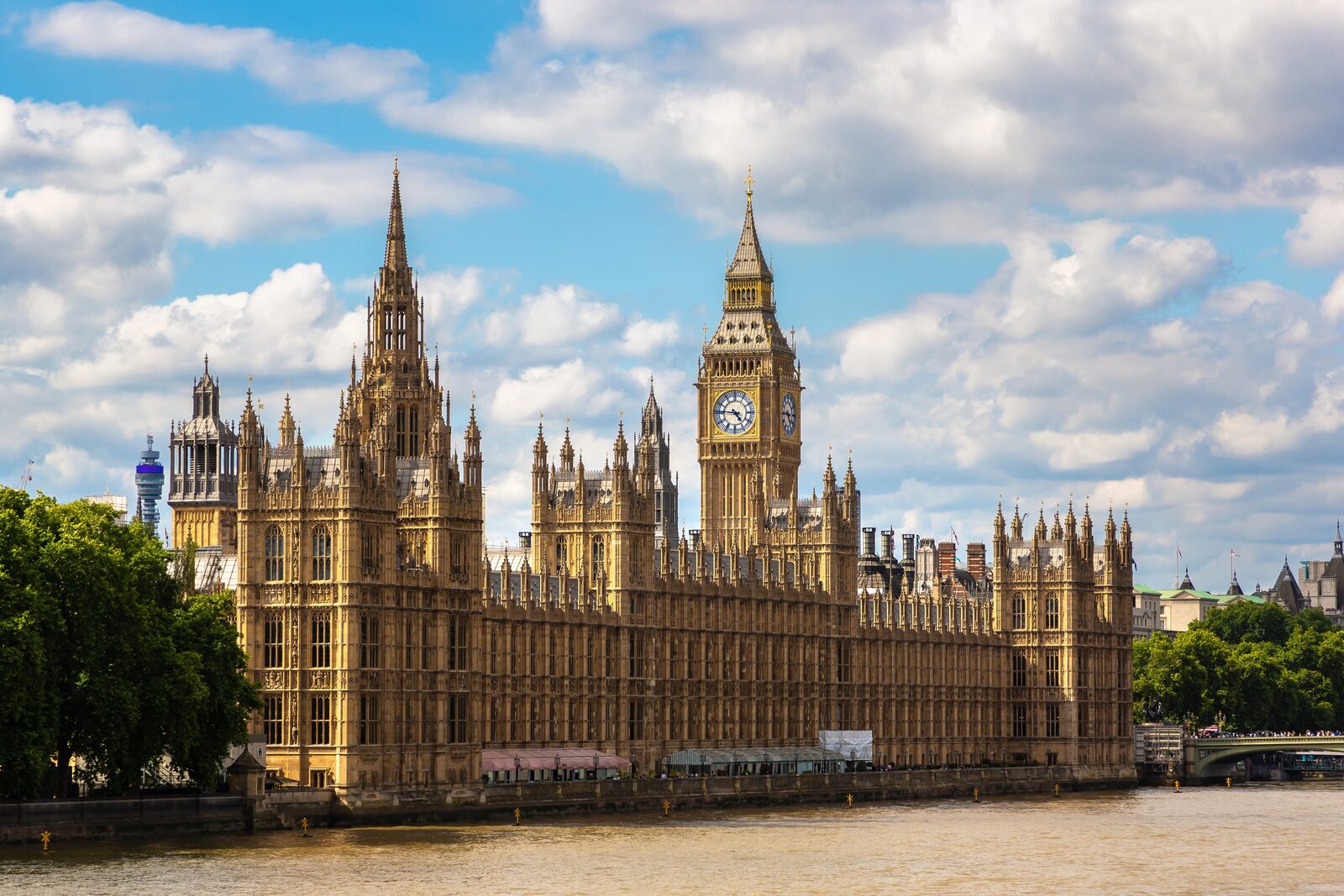
No corner of London is more emblematic than Westminster. The Houses of Parliament, officially the Palace of Westminster, line the riverbank in a riot of neo-Gothic pinnacles, crowned at the north end by the clock tower that everyone calls Big Ben — though that name properly belongs to the great bell within. Its chimes are among the most recognizable sounds in the world.
Steps away, Westminster Abbey has been the setting for coronations since 1066 and the resting place of monarchs, poets, and scientists alike. This UNESCO World Heritage Site rewards a slow visit, from Poets' Corner to the soaring fan-vaulted Lady Chapel.
The British Museum
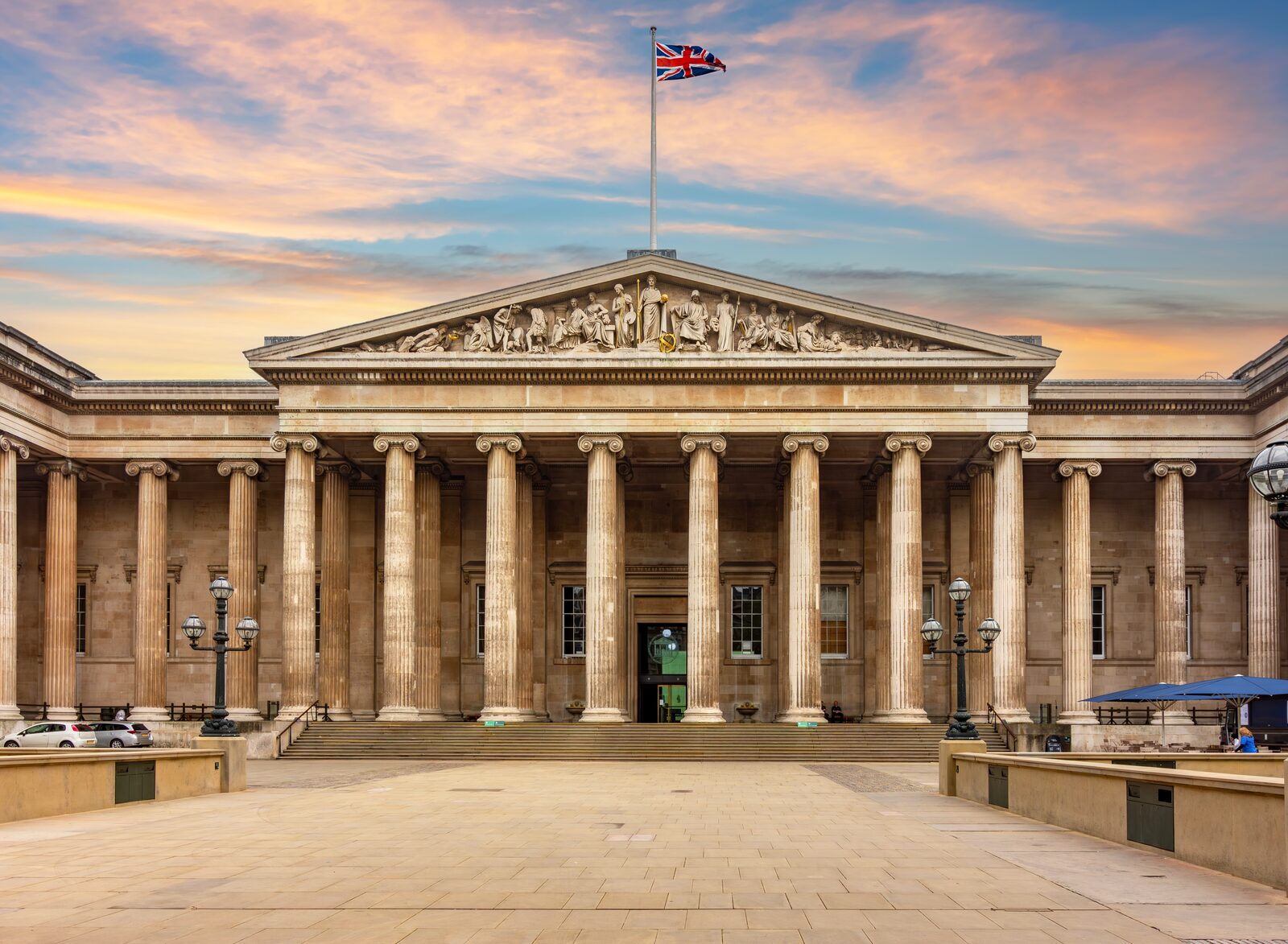
One of the world's greatest repositories of human history, the British Museum holds a collection that spans continents and millennia — from the Rosetta Stone and the Parthenon sculptures to Egyptian mummies and Mesopotamian treasures. Its glass-roofed Great Court, Europe's largest covered public square, is a breathtaking introduction to the galleries beyond.
Best of all, like most of London's national museums, the British Museum is free to enter. Visitors can pair it with other no-charge cultural giants such as the National Gallery on Trafalgar Square, the Natural History Museum, the Victoria and Albert Museum, and the Science Museum.
The London Eye & South Bank (Tate Modern)
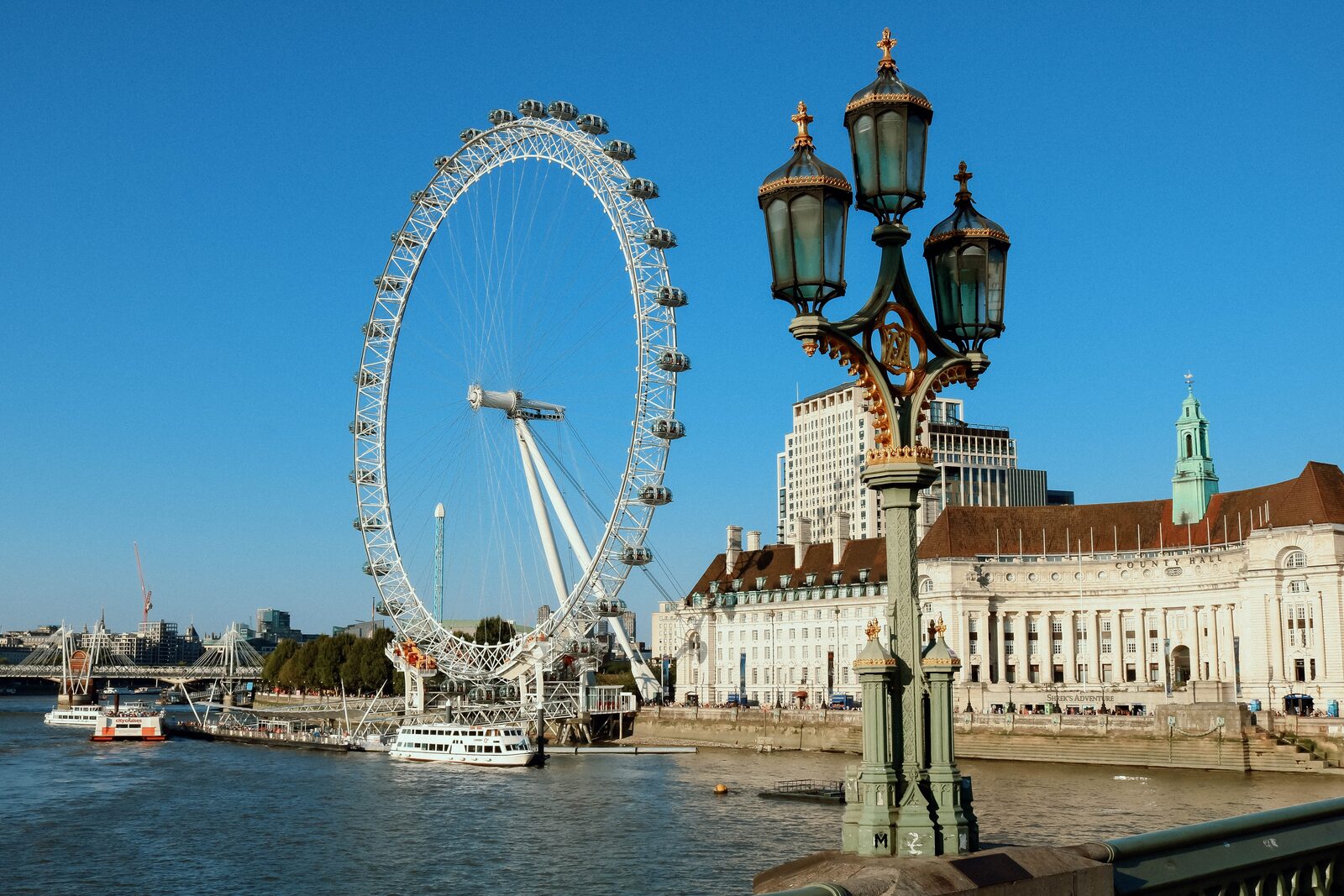
For a god's-eye view of the city, board the London Eye, the giant observation wheel on the Thames. Its slow, gentle rotation lifts glass capsules high above the river, unfurling a panorama of Parliament, St Paul's, and the skyline stretching to the horizon on a clear day.
The wheel anchors the South Bank, a buzzing riverside promenade made for strolling. Follow it past street performers and pop-up cafés to the Tate Modern, a former power station transformed into a free temple of modern and contemporary art, where the cavernous Turbine Hall hosts ever-changing large-scale installations.
West End Theatre & Covent Garden
London's West End is one of the two great capitals of English-language theatre, rivaled only by Broadway. Around Shaftesbury Avenue and Leicester Square, dozens of historic playhouses stage everything from long-running musicals and Shakespeare to cutting-edge new drama. Booking ahead secures the best seats, though same-day options can turn up a memorable evening.
Nearby Covent Garden completes the night out, its restored 19th-century market hall ringed by boutiques, cafés, and street entertainers. The piazza's licensed buskers — from opera singers to acrobats — have performed here for centuries, lending the whole quarter a festive, theatrical air.

London rewards travelers who slow down between the headline sights. Set aside an hour to wander a Royal Park — St James's Park, with its pelicans and palace views, or vast Hyde Park — where Londoners picnic, row boats, and stretch out in the sun whenever the weather cooperates.
For a quintessentially local experience, claim a window seat on the top deck of a red double-decker bus and ride a scenic route across the city. It is a sightseeing tour at the price of a single fare, and an unbeatable way to get your bearings on a first visit.
Where to Eat in London
Once unfairly maligned, London's food scene is now one of the most exciting on the planet — a global crossroads where centuries-old traditions sit alongside the cooking of the world's great cuisines. From a proper afternoon tea to a buzzing market stall to a Michelin-starred tasting menu, here is a sampling of how to eat well in the capital.
Traditional Afternoon Tea
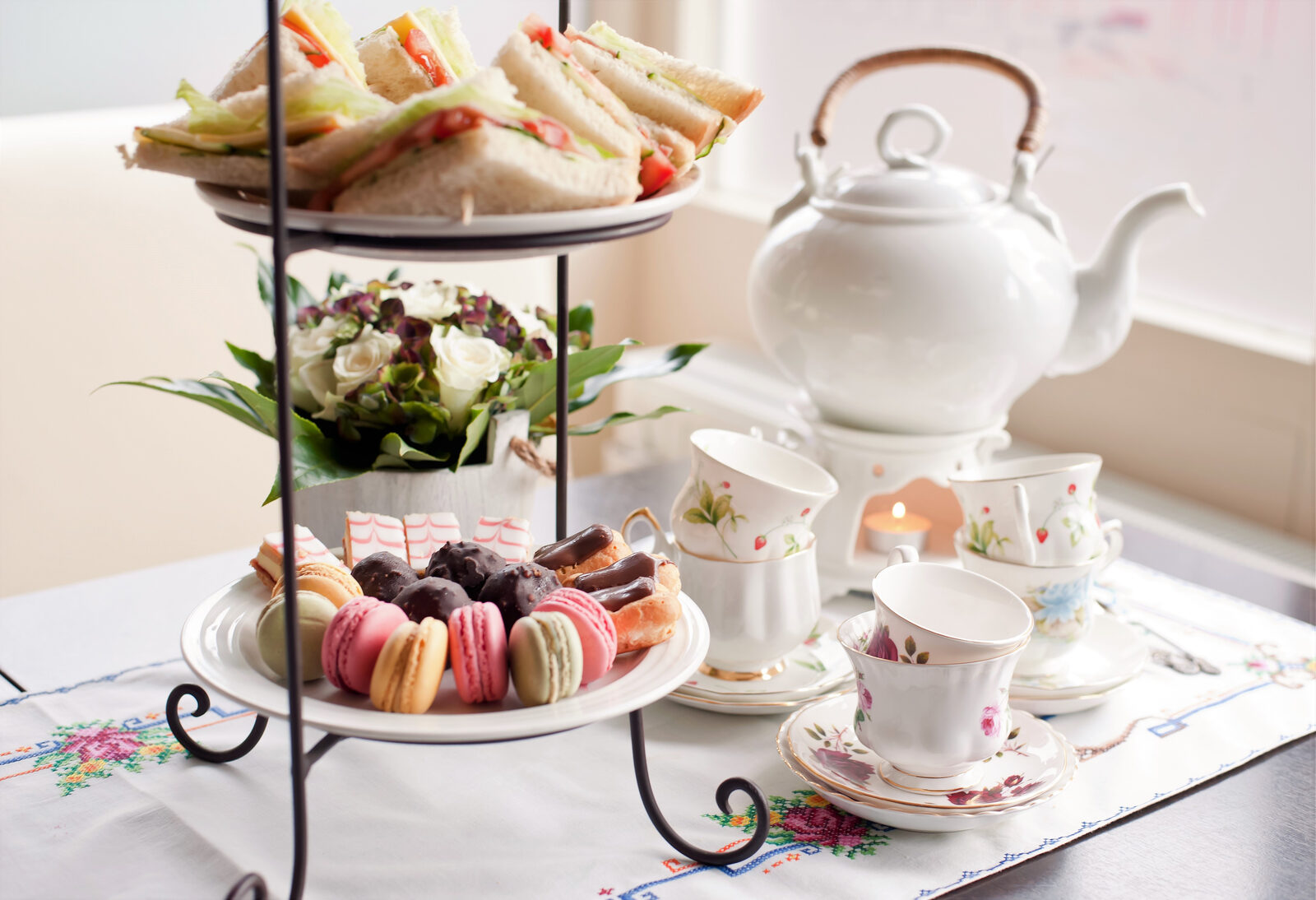
A cherished British ritual, afternoon tea pairs pots of loose-leaf tea with a tiered stand of finger sandwiches, warm scones with clotted cream and jam, and dainty pastries. Grand hotels turn it into an occasion; reserve ahead and arrive ready to linger.
A Classic Pub: Sunday Roast & Fish and Chips
The traditional pub is the heart of British dining. Settle in for a Sunday roast — roasted meat, crisp potatoes, vegetables, and Yorkshire pudding — or order fish and chips with mushy peas, washed down with a pint of cask ale.
Borough Market
Sprawling beneath the railway arches near London Bridge, Borough Market is a feast for the senses, with stalls of artisan cheeses, fresh oysters, sizzling street food, and produce from across Britain and beyond. It's an ideal spot to graze your way through lunch.
London's Global Food Scene
The capital's diversity is written on its menus. Tuck into a curry along Brick Lane in the East End, sample dim sum in Chinatown near Soho, or seek out the city's celebrated Indian, Middle Eastern, and Caribbean kitchens — London does world cuisine as well as any city on earth.
Michelin-Starred Dining
For a special occasion, London delivers some of the finest tables in the world, including a clutch of three-Michelin-star restaurants. Among them are CORE by Clare Smyth, the celebrated chef's flagship in Notting Hill, and Alain Ducasse at The Dorchester, a temple of refined French cuisine. Book well in advance.
Best Day Trips from London
London's superb rail network puts a remarkable range of historic towns, universities, and countryside within easy reach — many less than an hour or two away — making the capital an ideal base for unforgettable day trips.
Windsor Castle
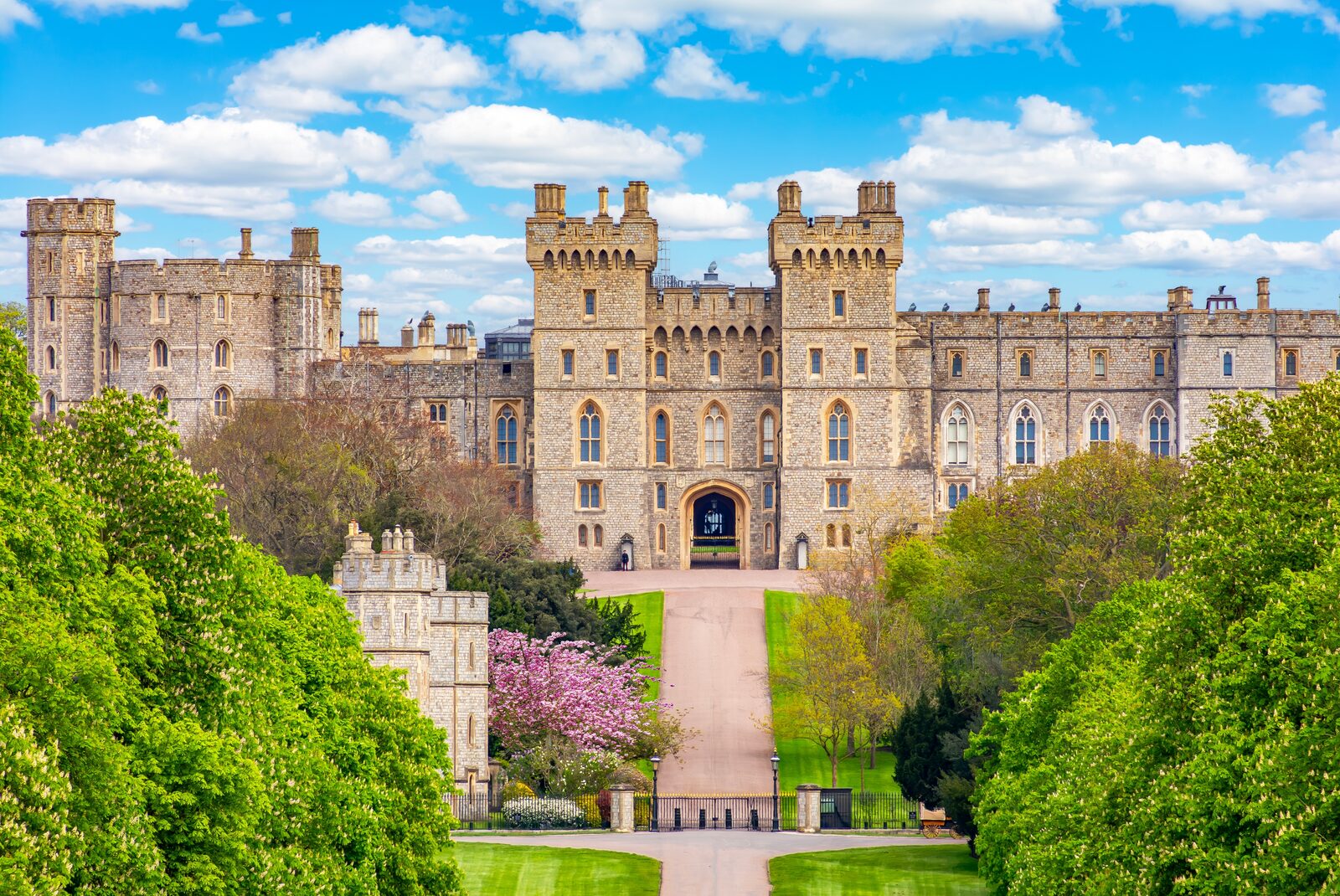
Just west of London, Windsor Castle is the oldest and largest occupied castle in the world and a favorite royal residence. Highlights include the lavish State Apartments, the dollhouse-perfect Queen Mary's Dolls' House, and St George's Chapel, a masterpiece of Gothic architecture and a royal burial place.
Oxford
The "city of dreaming spires," Oxford is home to the oldest university in the English-speaking world. Wander honey-colored colleges, climb a tower for rooftop views, and visit settings made famous by literature and film, from grand dining halls to the domed Radcliffe Camera.
Bath & Stonehenge
To the west lies elegant Bath, a UNESCO World Heritage Site celebrated for its honey-stone Georgian crescents and remarkably preserved Roman Baths. Many travelers pair it with nearby Stonehenge, the enigmatic prehistoric stone circle that has stood on Salisbury Plain for thousands of years.
Cambridge
Oxford's storied rival, Cambridge enchants with its riverside colleges, immaculate lawns, and the gentle art of punting along the River Cam. King's College Chapel, with its breathtaking fan-vaulted ceiling, is among the finest Gothic buildings in England.
The Cotswolds
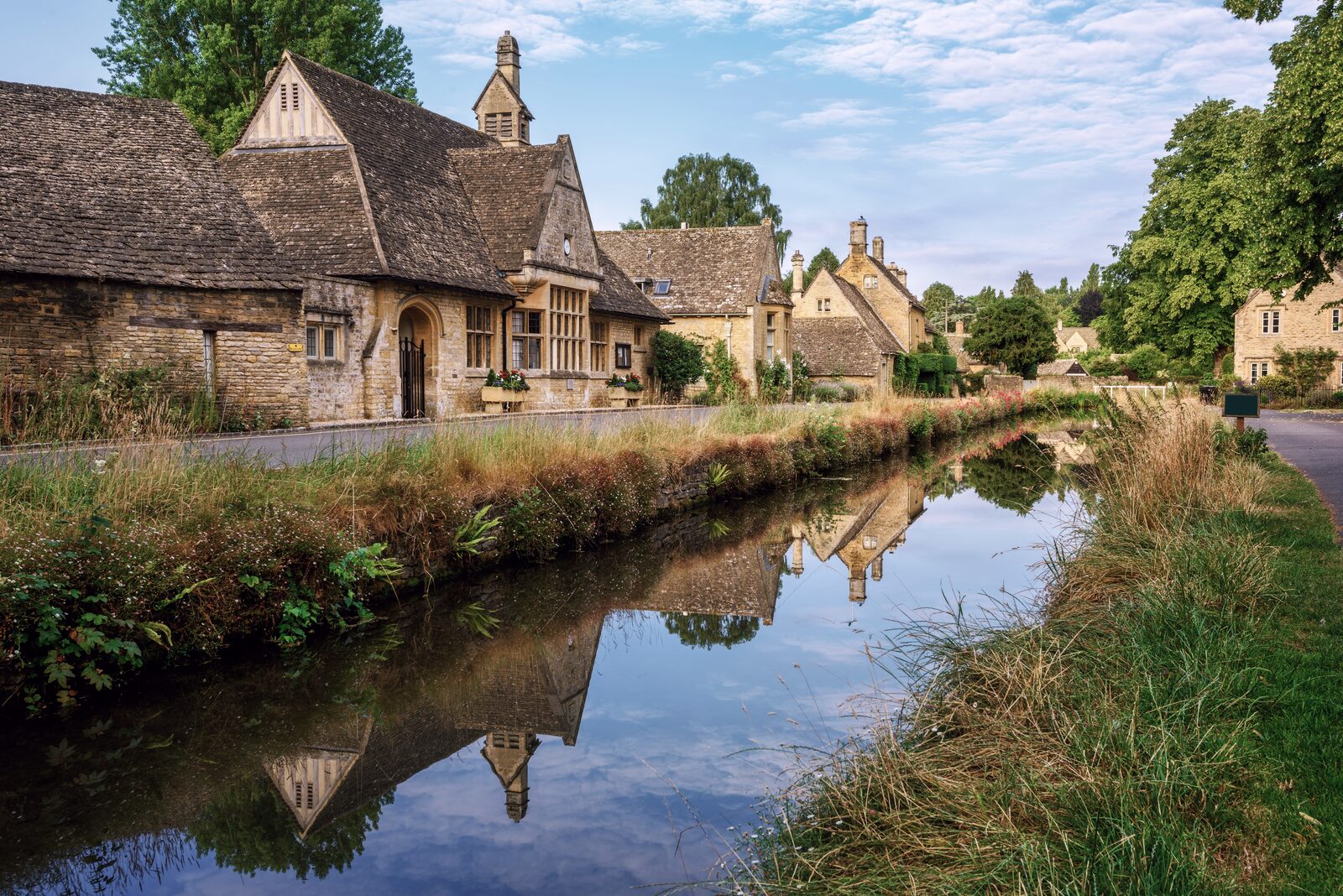
For quintessential English countryside, the Cotswolds deliver rolling green hills, dry-stone walls, and impossibly pretty villages of golden limestone. It's a region of thatched cottages, country pubs, and market towns that feel plucked from a storybook.
Canterbury or Warwick Castle
To the southeast, the cathedral city of Canterbury has drawn pilgrims since the Middle Ages, its magnificent cathedral the spiritual home of the Church of England. To the northwest, Warwick Castle pairs medieval ramparts with lively living-history displays — a hit with families.
Where to Stay in London: Four Luxury Hotels
Many travelers arrive in London to begin or conclude a luxury cruise or upscale escorted tour. Top London luxury hotels popular for pre- or post-cruise/tour stays include:
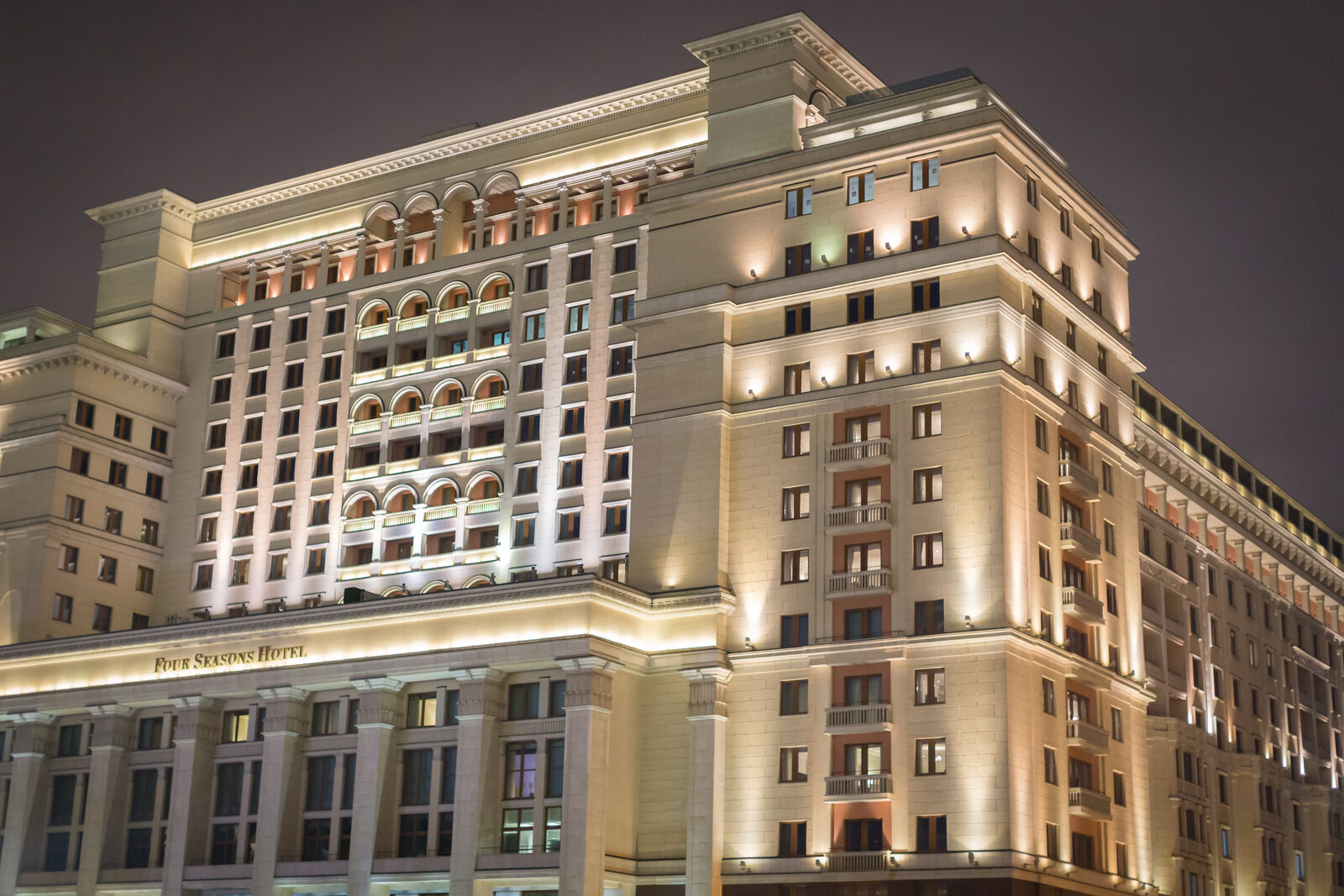
Corinthia Hotel London
A grand Victorian landmark near the Thames and Whitehall, the Corinthia pairs palatial public spaces with a renowned spa and exceptional service.
Bvlgari Hotel London
Tucked into chic Knightsbridge near Hyde Park, this sleek address blends contemporary Italian design with a glamorous spa and a coveted sense of calm.
Four Seasons Hotel London at Tower Bridge
Set on the riverside beside Tower Bridge, this polished hotel offers river views, a rooftop with skyline vistas, and easy access to the City and the Tower of London.
Hotel Café Royal
A storied address on Regent Street at the edge of Soho, the Café Royal marries Belle Époque heritage with refined modern rooms steps from the West End.
Stay at London's Finest Hotels — with Guaranteed VIP Perks
Booking a London hotel through Pavlus's SELECT Hotels & Resorts collection costs no more than the standard nightly rate — and every stay includes five guaranteed VIP amenities, plus one property-specific perk:
- $100 property credit
- Daily breakfast for two
- Room upgrade on arrival
- Early check-in / late check-out
- Complimentary Wi-Fi
Helpful London Resources
London Travel Tips
Best Time to Visit London
London is a year-round destination, but late spring (May and June) and early fall (September) bring the most agreeable weather, longer daylight, and gardens and parks at their best. Summer is lively but busy, while the festive season transforms the city with lights and markets.
How Many Days Should You Spend in London?
- If you only have one day in London, focus on the Westminster and royal landmarks, then catch an evening in the West End to feel the city's pulse.
- Many travelers find that two to three days is the sweet spot for experiencing the headline attractions and a museum or two.
- Four or five days is optimum if you want to explore neighborhoods in depth and add a day trip or two outside the city.
Is London Safe for Tourists?
London is a large, cosmopolitan city that's generally safe for visitors. As in any major capital, stay aware of your surroundings and keep an eye on belongings in crowded areas such as tourist sights, markets, and busy Underground stations, where pickpocketing can occur.
How Can Visitors Get Around London?
London is wonderfully walkable in its central districts, and its public transport is among the world's best. The Underground (the "Tube") and the iconic red buses reach virtually every corner of the city, supplemented by trains and the river. Tap a contactless card or phone — or an Oyster card — to pay as you go; there's no need to buy individual paper tickets.
Getting There: How Do Travelers Reach London?
London is one of the most connected cities on earth, reachable by air, by high-speed train, and via nearby cruise ports.
- Heathrow and Gatwick are the two main international airports, with London City, Stansted, and Luton serving additional routes; nonstop flights link London with many U.S. cities.
- The Eurostar high-speed train connects central London with Paris, Brussels, and Amsterdam via the Channel Tunnel in a few hours.
- The Southampton cruise port — a popular embarkation point for British Isles and Northern Europe sailings — lies about an hour and a half from London, making pre- and post-cruise stays easy to arrange.
- Tour operators and cruise lines may also offer guests airport-to-city (or port) transfers, depending on the itinerary and inclusions. Talk with your personal travel planner about the options based on your booking details.
Frequently Asked Questions About London
What is London best known for?
London is famous for its royal heritage — Buckingham Palace, the Tower of London, and Westminster Abbey — along with world-class free museums, historic pubs, West End theatre, double-decker buses, and centuries of layered history.
Is London worth visiting?
Yes. London packs royal palaces, landmark museums, theatre, dining, parks, and easy day trips into one of the world's great capitals — there is something for every kind of traveler.
Is London a good base for a British Isles cruise?
Yes. Many British Isles and Northern Europe cruises sail from Southampton, roughly an hour and a half from London, and a pre- or post-cruise stay in the capital is a popular way to bookend the voyage.
What foods should I try in London?
Try a traditional afternoon tea, a Sunday roast or fish and chips in a classic pub, and the global flavors that define the city — from Brick Lane curry to the stalls of Borough Market — before splurging on a Michelin-starred tasting menu.
What are the best day trips from London?
Popular day trips include Windsor Castle, Oxford, Bath and Stonehenge, Cambridge, the Cotswolds, and the cathedral city of Canterbury or the medieval Warwick Castle.
How many days should you spend in London?
Two to three days covers the headline sights, while four or five days lets you slow down, explore neighborhoods and museums in depth, and add a day trip or two outside the city.
What are the basics visitors need to know about language, currency and voltage?
English is the language and the currency is the pound sterling (£), not the euro. The United Kingdom uses 230V at 50 Hz with Type G three-pin plugs, so U.S. travelers will need a plug adapter for their devices.


