

Spread elegantly along the banks of the Seine, Paris is the storied capital of France and one of the world's most beloved cities. Known as the City of Light, it weaves together monumental history, world-class art, refined cuisine, and an unmistakable sense of romance.
From the Eiffel Tower and the treasures of the Louvre to the hilltop village of Montmartre and the café-lined streets of the Left Bank, Paris rewards travelers at every turn. Grand boulevards, hidden courtyards, and elegant gardens invite you to slow down and savor the moment.
This Paris travel guide highlights the best things to do in Paris, top attractions, dining recommendations, luxury hotels, day trips, and practical travel tips to help you plan an unforgettable visit. Travelers can experience the City of Light via a luxury Seine river cruise, a city stay, or an upscale escorted tour.
Best Things to Do in Paris
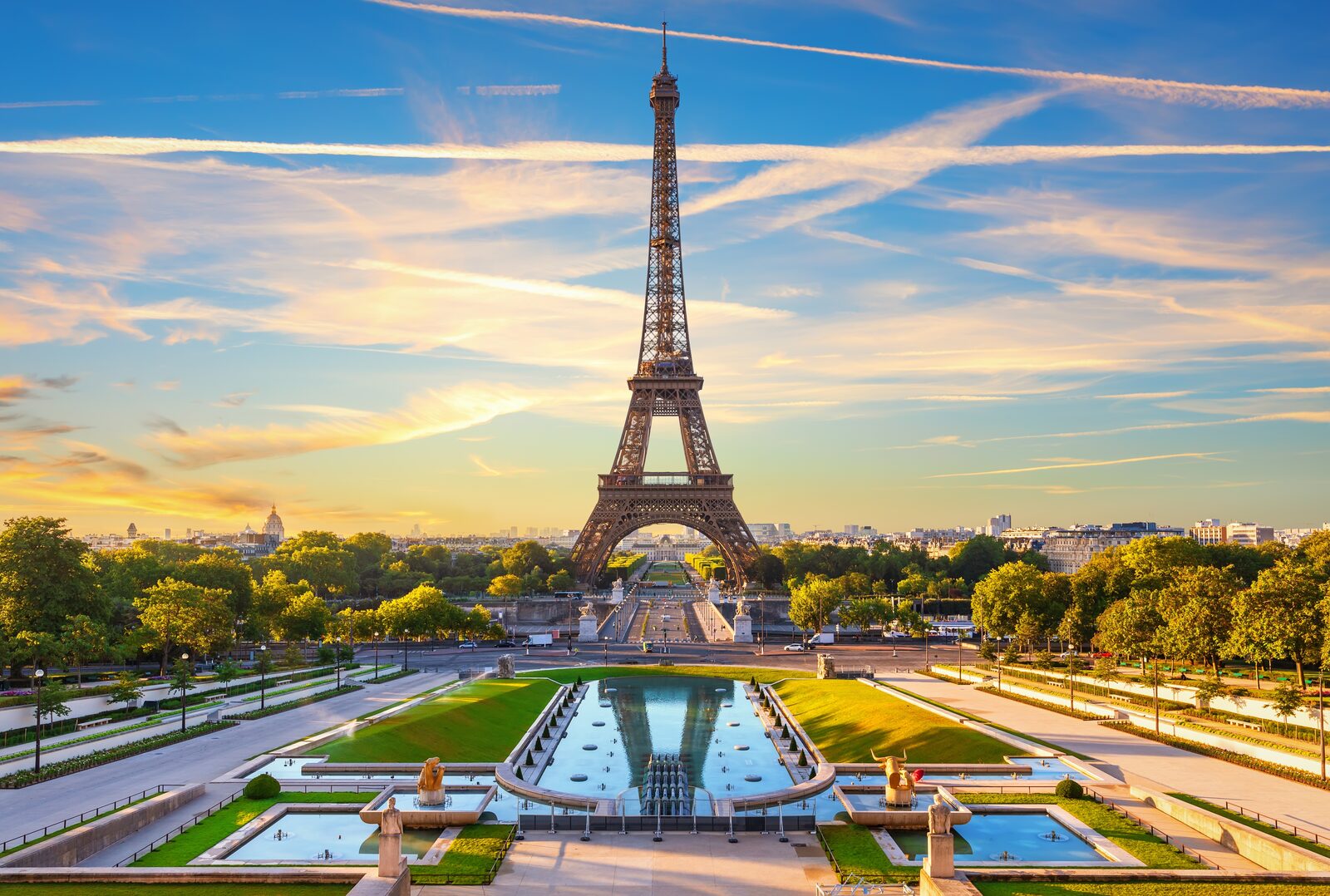
The Eiffel Tower
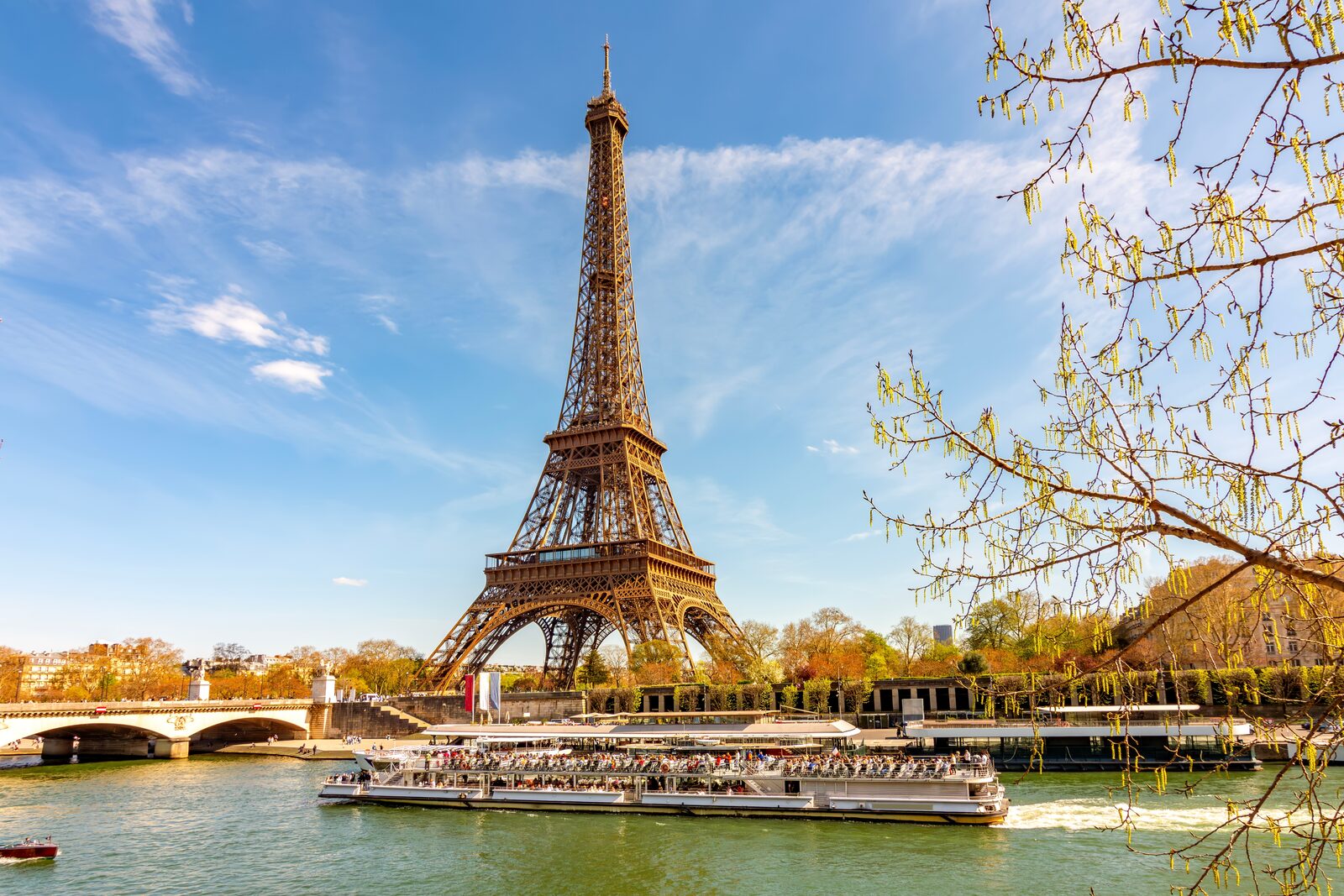
No symbol captures Paris quite like the Eiffel Tower. Designed by engineer Gustave Eiffel and completed in 1889 for the World's Fair, this 1,083-foot wrought-iron landmark was once intended to be temporary — today it is the most visited paid monument on earth.
Travelers can ascend by elevator or stairs to observation levels offering sweeping views across the rooftops of Paris. After dark, the tower sparkles for a few minutes at the top of each hour, a magical spectacle best enjoyed from the lawns of the Champ de Mars or the terraces of Trocadéro across the river.
The Louvre
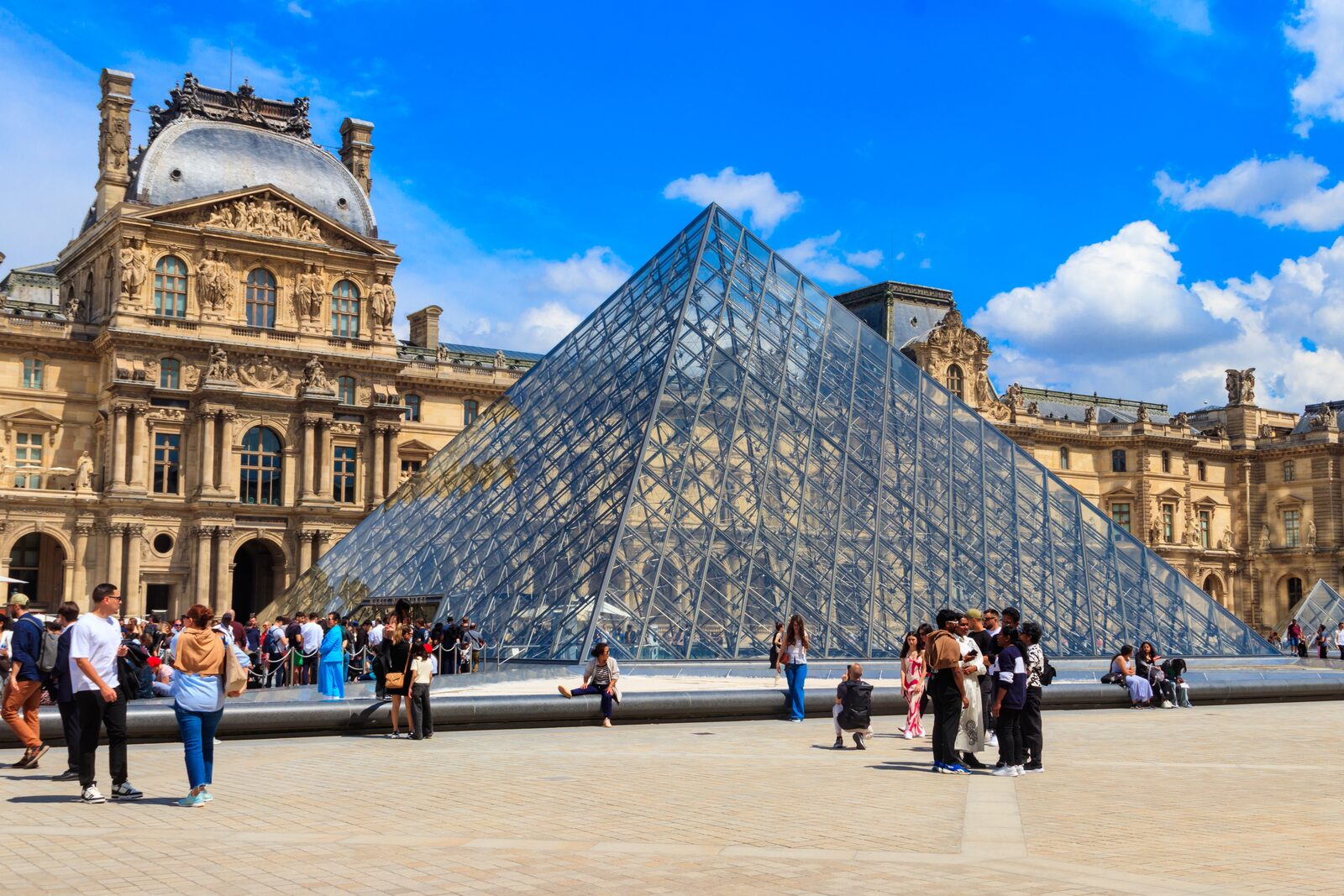
The world's most visited museum, the Louvre is home to a staggering collection spanning thousands of years — from Egyptian antiquities and Greek sculpture to European masterpieces. Among its treasures are Leonardo da Vinci's Mona Lisa, the Venus de Milo, and the Winged Victory of Samothrace.
Once a royal palace, the Louvre is entered through I. M. Pei's striking glass pyramid in the central courtyard. The collection is vast, so many travelers focus on a few galleries and reserve timed-entry tickets in advance to make the most of their visit.
Notre-Dame Cathedral
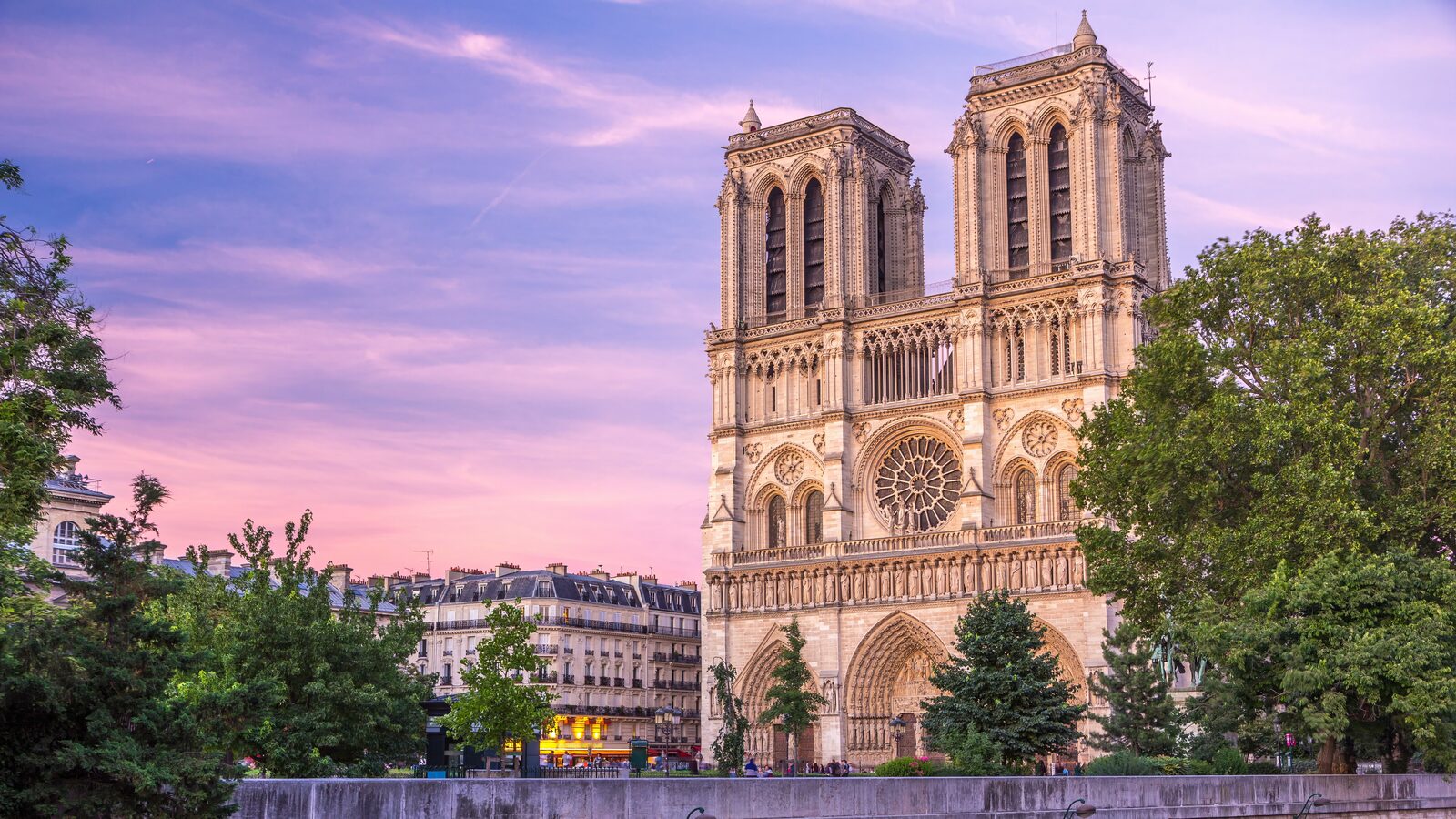
A masterpiece of French Gothic architecture, Notre-Dame Cathedral has presided over the Île de la Cité for more than 850 years. Its flying buttresses, rose windows, and gargoyle-topped towers are among the most recognized in the world.
In April 2019, a devastating fire destroyed the cathedral's spire and roof, prompting a sweeping five-year restoration. After painstaking work by thousands of artisans, Notre-Dame reopened to the public in December 2024, its luminous interior and rebuilt spire restored to their former glory. Visitors can once again admire the cathedral and explore the surrounding island.
Musée d'Orsay
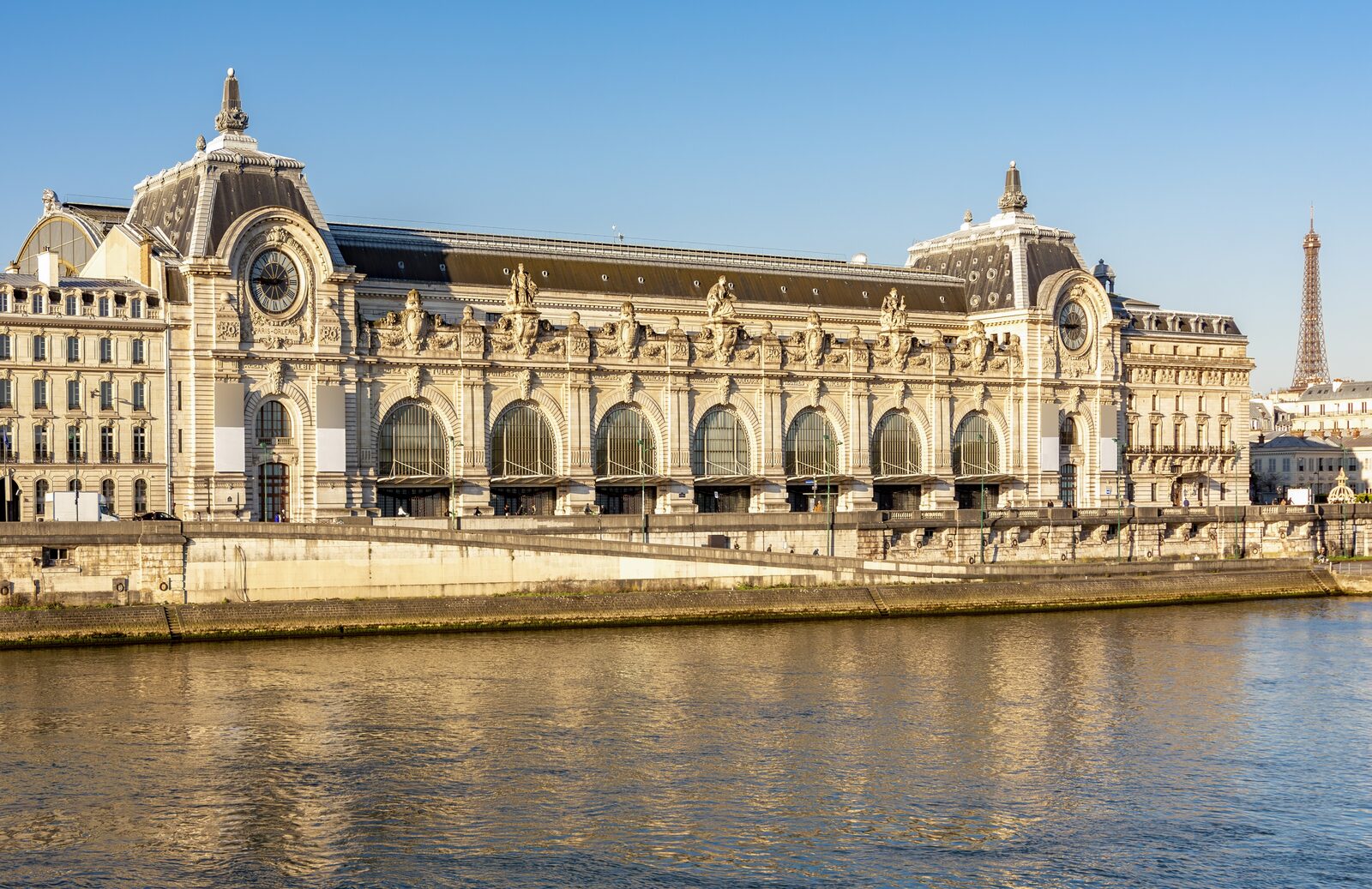
Housed in a beautifully repurposed Beaux-Arts railway station on the Left Bank, the Musée d'Orsay holds the world's finest collection of Impressionist and Post-Impressionist art. Beneath its grand glass-roofed hall hang works by Monet, Renoir, Degas, Cézanne, and Van Gogh.
The museum's monumental gilded clock, viewed from an upper gallery, offers one of the most photographed perspectives in Paris. Compact and walkable compared with the Louvre, it is a favorite for art lovers seeking a more intimate experience.
Montmartre & Sacré-Cœur
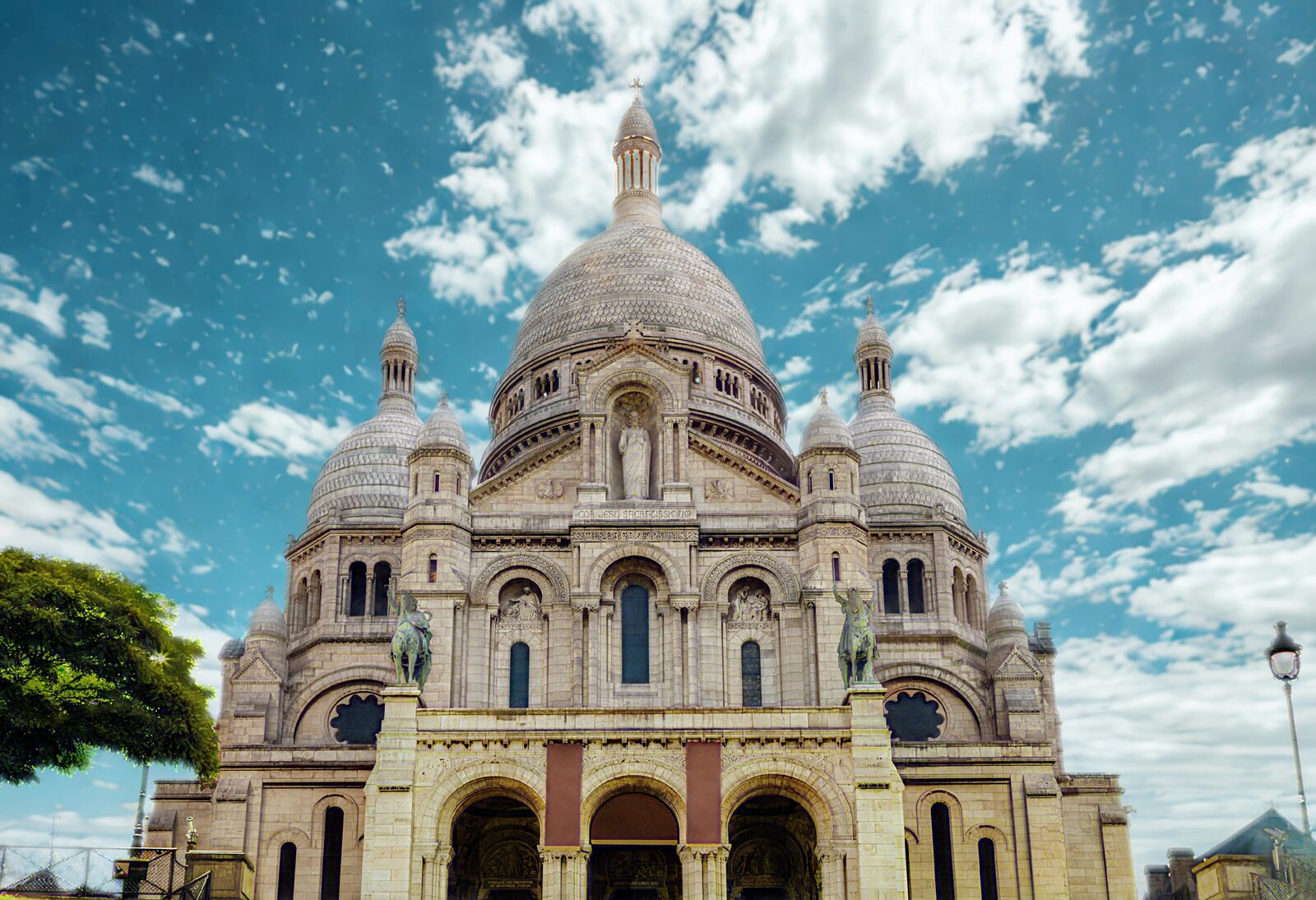
Perched on the highest hill in Paris, the village of Montmartre retains a bohemian charm that drew artists such as Picasso, Renoir, and Toulouse-Lautrec a century ago. Cobbled lanes, ivy-draped cafés, and the artist-filled Place du Tertre give the quarter a timeless atmosphere.
Crowning the hill is the gleaming white Basilica of Sacré-Cœur, whose steps and dome offer some of the most expansive views over the city. The walk up through Montmartre's winding streets is part of the pleasure.
The Champs-Élysées, the Arc de Triomphe & a Seine Cruise
The grand Avenue des Champs-Élysées sweeps from the Place de la Concorde to the Arc de Triomphe, lined with shops, cafés, and theaters. Commissioned by Napoleon to honor his armies, the Arc de Triomphe rewards those who climb to its rooftop with a star-shaped view of twelve radiating avenues.
To see the city from a different angle, board a Seine river cruise. Gliding past the Eiffel Tower, the Louvre, Notre-Dame, and a parade of elegant bridges, a sightseeing or dinner cruise is one of the most relaxing and romantic ways to take in the heart of Paris.
For the marquee sights — the Eiffel Tower, the Louvre, and the Musée d'Orsay — reserve timed-entry tickets online well before you go, and aim for the first entry of the morning or the last of the evening to sidestep the heaviest crowds.
Build in unstructured time, too. Some of the city's best moments come from lingering over a coffee at a sidewalk café, wandering a Left Bank bookshop, or strolling the Tuileries Garden with no particular destination in mind.
Where to Eat in Paris
Few cities reward the appetite like Paris, where dining is woven into daily life. Travelers can enjoy everything from cozy neighborhood bistros and corner boulangeries to some of the most celebrated Michelin-starred tables in the world. Here is a taste of how to eat your way through the City of Light.
Classic Bistro Fare
For the quintessential Paris meal, seek out a neighborhood bistro serving timeless dishes such as steak frites, escargots in garlic butter, and soupe à l'oignon — rich onion soup crowned with melted cheese. Duck confit and boeuf bourguignon round out the comforting classics.
Boulangeries & Patisseries
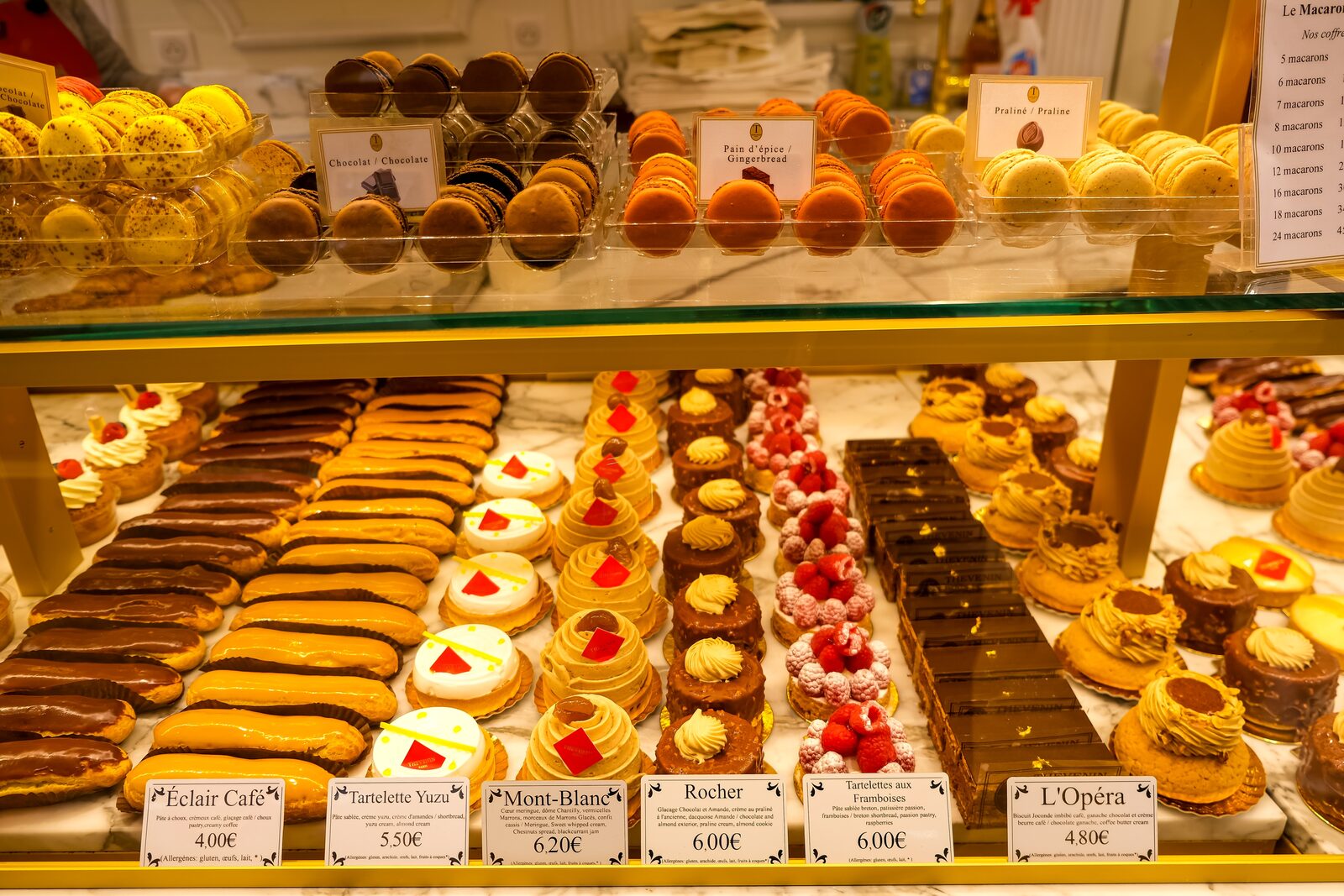
The morning ritual begins at the corner boulangerie, where buttery croissants and pain au chocolat emerge warm from the oven. Patisseries tempt with delicate macarons, éclairs, and tarts — a sweet souvenir of any Paris stroll.
Covered Markets & Food Streets
For a feast of local flavor, wander a covered market such as the historic Marché des Enfants Rouges or a lively food street like the Rue Cler or Rue Mouffetard, where fromageries, charcuteries, wine shops, and produce stalls invite leisurely grazing.
Café Culture
In Paris, the sidewalk café is an institution. Settle into a wicker chair on a terrace, order an espresso or a glass of wine, and watch the city pass by — the unhurried art of flânerie at its finest.
Michelin-Starred Dining
Paris is a global capital of fine dining, home to a remarkable roster of Michelin-starred restaurants. Among the celebrated three-star tables are Guy Savoy, set within the Monnaie de Paris along the Seine; Le Cinq at the Four Seasons George V; and Alain Passard's vegetable-forward L'Arpège. Reservations are essential and should be made well in advance.
Best Day Trips from Paris
Paris sits at the heart of a region rich with palaces, gardens, vineyards, and storied countryside. With fast trains and easy excursions, several unforgettable destinations are within reach of the capital.
Palace of Versailles
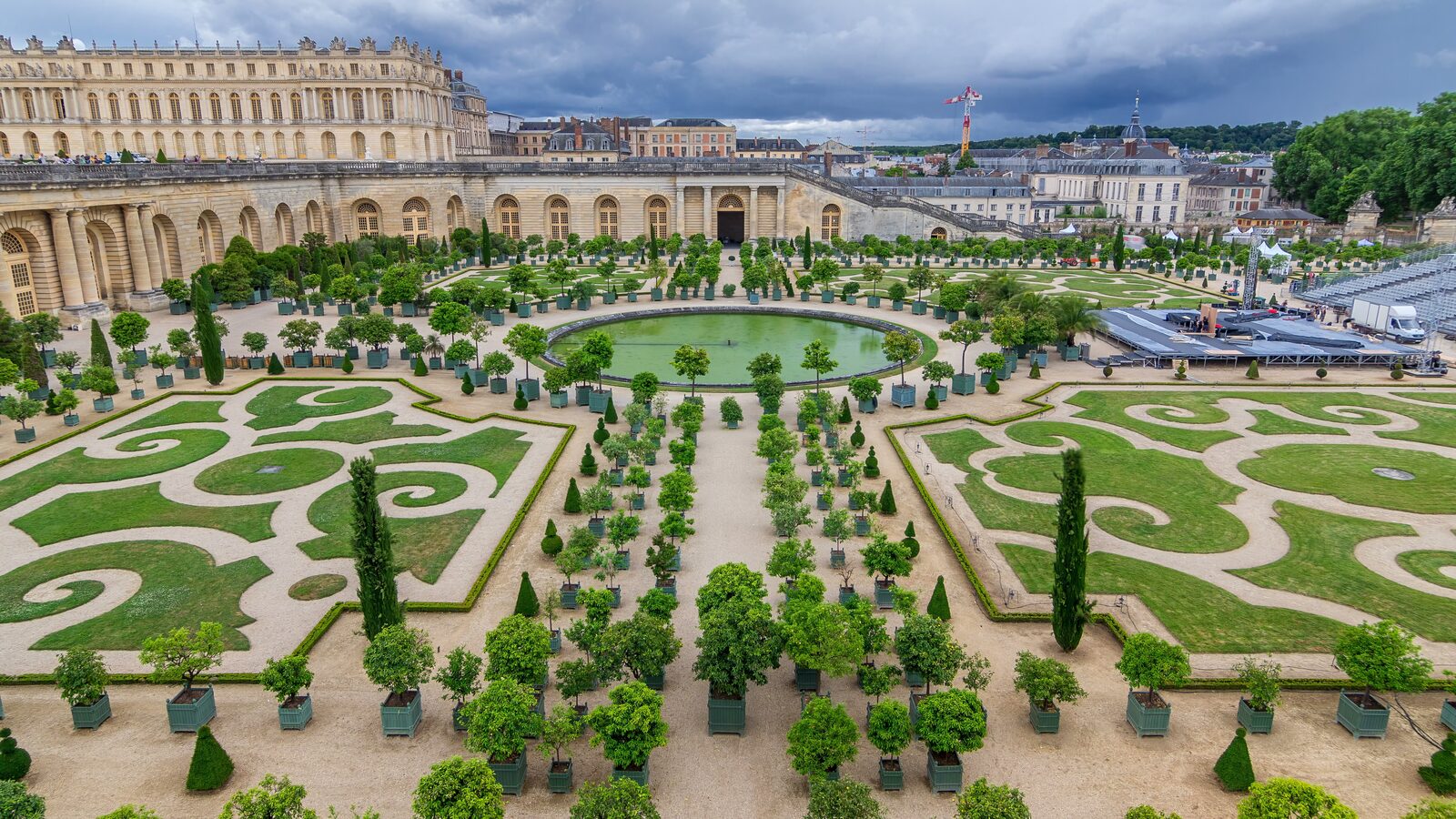
Just outside Paris, the Palace of Versailles is the grandest expression of French royal ambition. Travelers can tour the dazzling Hall of Mirrors, the opulent royal apartments, and the vast formal gardens with their fountains, canals, and the estate of Marie-Antoinette.
Giverny & Monet's Gardens
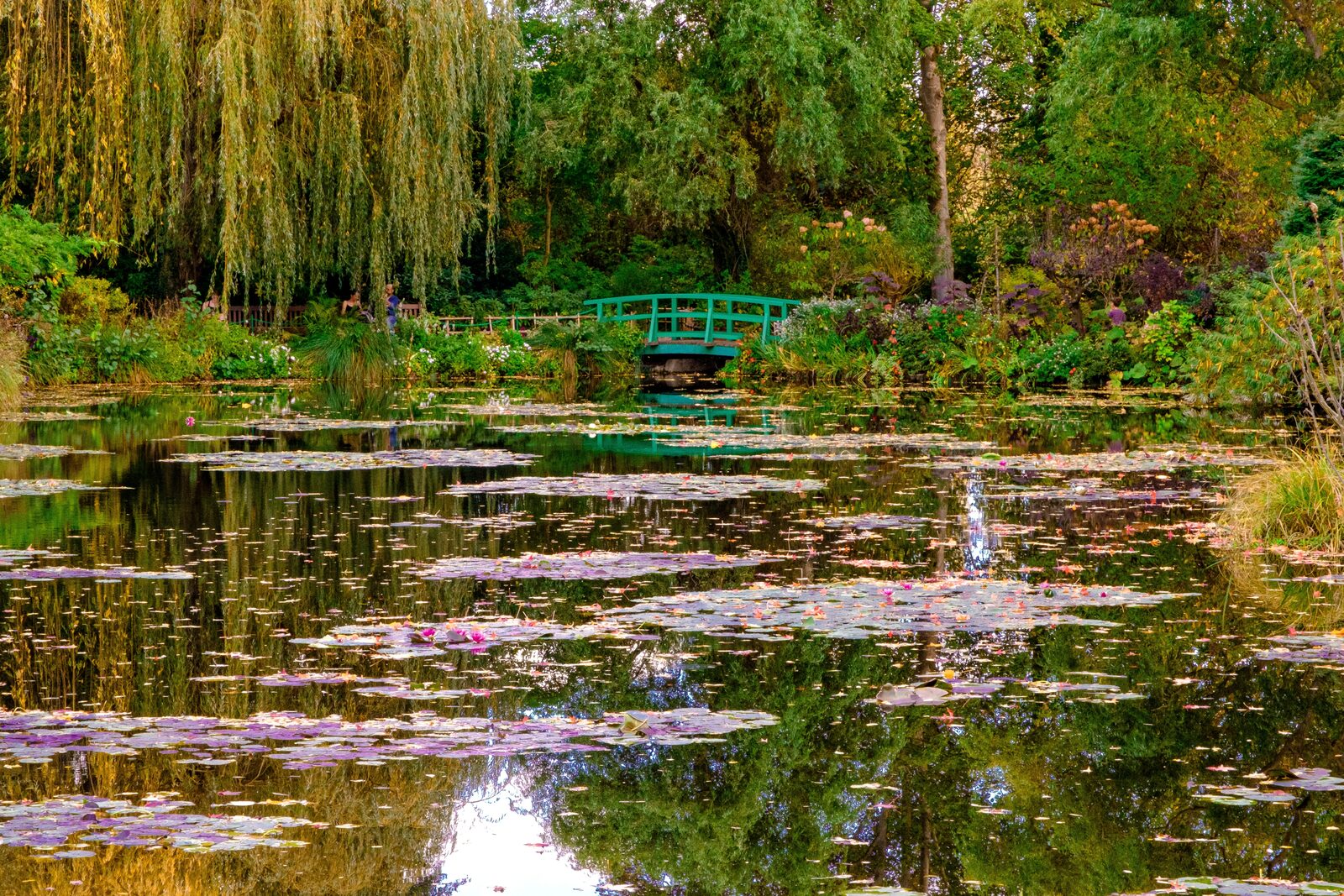
In the village of Giverny, the home and gardens of Claude Monet bloom much as they did when the artist painted them. Cross the famous Japanese bridge over the water-lily pond and wander the flower-filled Clos Normand — an Impressionist masterpiece brought to life.
The Champagne Region
Less than an hour and a half by train, the Champagne region around Reims and Épernay is the only place in the world that produces true Champagne. Tour the famous cellars carved into chalk, learn how the sparkling wine is made, and toast with a tasting among the vines.
Loire Valley Châteaux
Often called the Garden of France, the Loire Valley is studded with fairy-tale châteaux. Highlights include the moated Chenonceau arching gracefully over the river and the immense Renaissance Chambord, with its famous double-helix staircase.
Disneyland Paris
An easy train ride from the city center, Disneyland Paris brings classic theme-park magic to Europe. With two parks, costumed characters, and beloved attractions, it is a favorite for families traveling with children.
Mont-Saint-Michel
A longer excursion best suited to a full day or an overnight, the medieval abbey of Mont-Saint-Michel rises dramatically from a tidal bay in Normandy. This UNESCO World Heritage Site is among the most spectacular sights in France and well worth the journey.
Where to Stay in Paris: Four Luxury Hotels
Many travelers arrive in Paris to begin or conclude a luxury Seine river cruise or an upscale escorted tour. Top Paris luxury hotels popular for pre- or post-cruise/tour stays include:
Cheval Blanc Paris
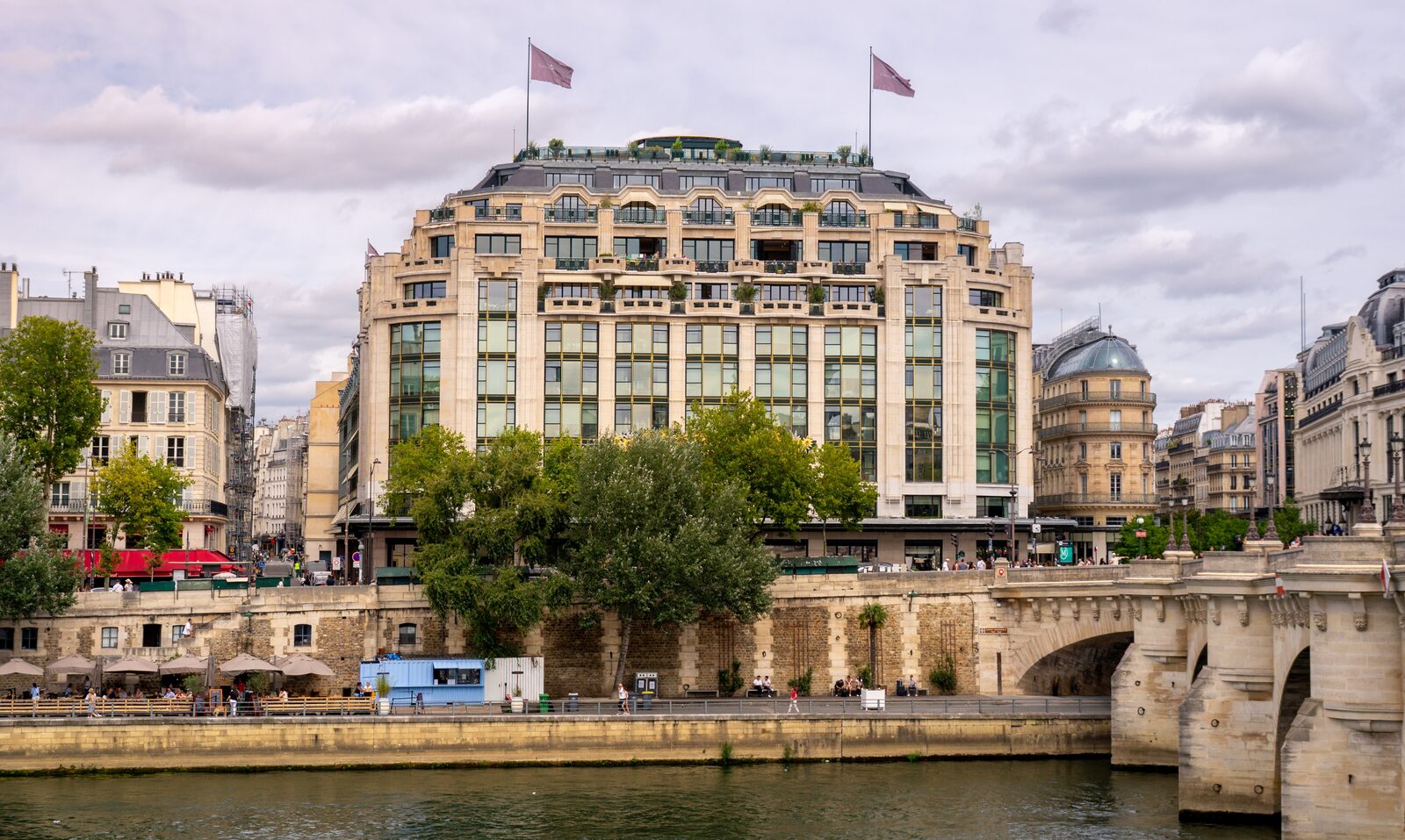
A jewel of the LVMH portfolio overlooking the Seine, with serene contemporary interiors, a Dior spa, and some of the finest river views in the city.
Bvlgari Hotel Paris
Italian glamour meets Parisian elegance just off Avenue Montaigne, set in the heart of the city's celebrated couture district.
Brach Paris, Evok Collection
A stylish, design-forward retreat by Philippe Starck, blending warm modern interiors with a rooftop garden and a buzzing restaurant scene.
Fouquet's Paris
A landmark address near the Champs-Élysées and the Arc de Triomphe, pairing classic Parisian glamour with a renowned spa and brasserie.
Stay at Paris's Finest Hotels — with Guaranteed VIP Perks
Booking a Paris hotel through Pavlus's SELECT Hotels & Resorts collection costs no more than the standard nightly rate — and every stay includes five guaranteed VIP amenities, plus one property-specific perk:
- $100 property credit
- Daily breakfast for two
- Room upgrade on arrival
- Early check-in / late check-out
- Complimentary Wi-Fi
Helpful Paris Resources
Paris Travel Tips
Best Time to Visit Paris
Paris is a year-round destination, but spring (April through June) and fall (September through October) are especially rewarding, with mild weather, blooming gardens or golden foliage, and slightly thinner crowds than the peak summer months.
How Many Days Should You Spend in Paris?
- With a single day, focus on one or two icons — perhaps the Eiffel Tower and a Seine cruise — and soak up the atmosphere of a café terrace.
- Three to four days is the sweet spot for the major museums, monuments, and neighborhoods at a comfortable pace.
- Five or more days allow you to explore additional quarters and add a day trip such as Versailles or Giverny.
Is Paris Safe for Tourists?
Paris is generally safe, but like any major city it has its share of pickpockets. Stay alert and keep an eye on your belongings at crowded landmarks such as the Eiffel Tower and the Louvre, and on the Metro and at busy transit hubs.
How Can Visitors Get Around Paris?
Paris is wonderfully walkable, and many neighborhoods are best explored on foot. For longer distances, the extensive Metro is fast and efficient, while the RER suburban trains connect the city center to the airports and to destinations such as Versailles and Disneyland Paris.
Getting There: How Do Travelers Reach Paris?
Travelers can reach Paris by air, by high-speed rail, or as part of a Seine river cruise or escorted tour.
- Paris is served by two main airports: Charles de Gaulle (CDG) to the northeast and Orly (ORY) to the south, both with nonstop and direct flights from many U.S. cities.
- The Eurostar links Paris directly with London via the Channel Tunnel in just over two hours.
- France's high-speed TGV network connects Paris with cities across the country and beyond, often faster and more conveniently than flying.
- Tour operators and cruise lines may offer guests airport-to-city transfers, depending on the itinerary and inclusions. Talk with your personal travel planner about the options based on your booking details.
Frequently Asked Questions About Paris
What is Paris best known for?
Paris is famous as the City of Light, celebrated for the Eiffel Tower, the Louvre, Notre-Dame Cathedral, grand boulevards, café culture, haute cuisine, fashion, and an enduring sense of romance along the Seine.
Is Paris worth visiting?
Yes. Paris brings together world-class art and architecture, history, food, shopping, and atmosphere in a remarkably walkable city, making it one of the most rewarding destinations in Europe.
Is Paris a good base for a river cruise?
Yes. Seine river cruises depart right from Paris, and many travelers pair a city stay with a river cruise that glides past the capital's landmarks before continuing to Normandy or other regions of France.
What foods should I try in Paris?
Classic dishes include steak frites, escargot, soupe à l'oignon (French onion soup), and duck confit, along with fresh croissants and pain au chocolat from a neighborhood boulangerie and delicate macarons from a patisserie.
What are the best day trips from Paris?
Popular day trips include the Palace of Versailles, Monet's gardens at Giverny, the Champagne region around Reims and Épernay, the châteaux of the Loire Valley, Disneyland Paris, and the longer excursion to Mont-Saint-Michel.
How many days should you spend in Paris?
Many travelers find three to four days ideal for the major sights at an unhurried pace. Five or more days allow time to explore additional neighborhoods and add a day trip such as Versailles or Giverny.
What are the basics visitors need to know about language, currency and voltage?
French is the official language, though English is widely understood in tourist areas. The currency is the euro. France's electrical grid uses 230V at 50 Hz with Type C and Type E plugs, so U.S. travelers will need a plug adapter.


